Innovation in Education: Kansas to help kids overcome dyslexia with guidance from local learning center
WICHITA, Kan. (KWCH) - With the kids back in school, you may notice your child struggling to read. They may have dyslexia, the most common learning disability affecting 1 in 5 people.
Dyslexia is genetic, sharing a chromosome with the immune system and brain cell development. So, if a child is born with dyslexia and suffers severe or chronic ear infections, some experts say the dyslexia could get worse.
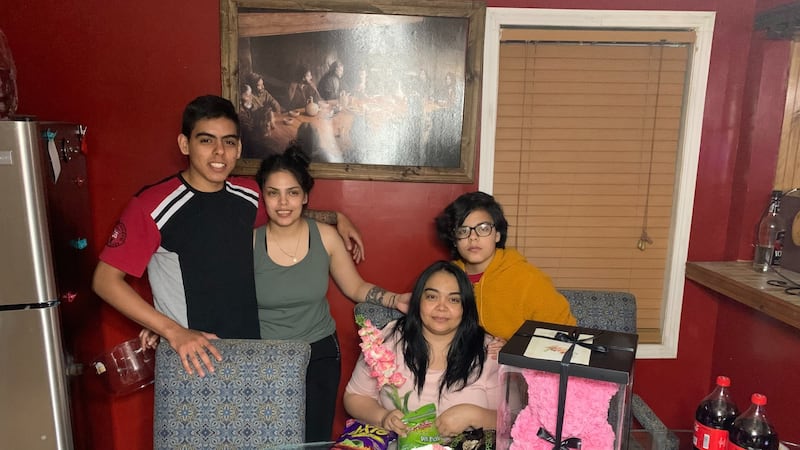
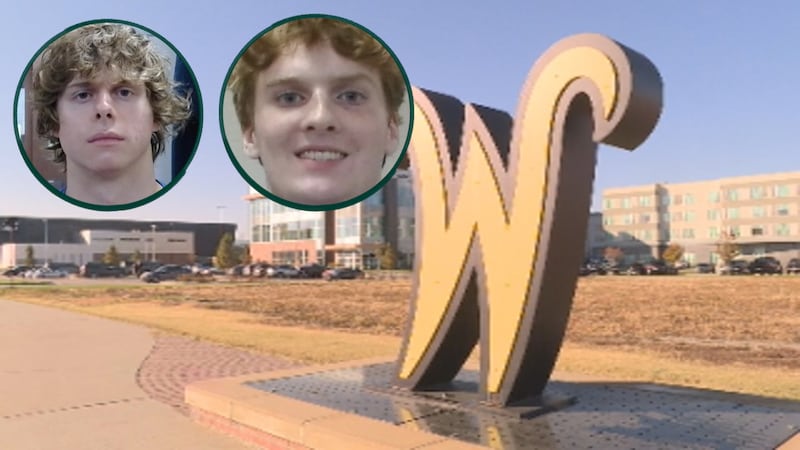
Austin Collins was born with dyslexia, but he didn’t suffer from chronic infections. He said the learning disability still left him feeling alienated.
“I thought I was different for the wrong reason. I wasn’t happy that I was different. I felt it was a failure on my part,” said Austin, who is a graduate of the Phillips Fundamental Learning Center.
After kindergarten, his family changed course.
“I came here (the Fundamental Learning Center). I started learning again,” he said. “Things started clicking again, like they used to.”
At the Phillips Fundamental Learning Center in Wichita, innovation in dyslexia education helps students learn by leaps and bounds, ahead of most Kansas schools.
“The national data says that only a fourth of our educators in classrooms have the new skills that they need to teach in this structured way,” said Cindy Lane, Director of the Kansas Board of Regents.
Lane is leading the state’s “Blueprint for Literacy,” educating the educators and replicating the teaching style of Phillips Fundamental Learning Center.
Related Content:
- For Parents: Phillips Fundamental Learning Center
- For Educators: Barbara Bush Foundation
- Kansas Blueprint for Literacy
Jeanine Phillips cofounded the center in 2001 after her son showed early signs of dyslexia. She remains executive director today.
“He had this profound speech delay,” she recalled. “He had big words, but he mixed them up.”
Kansas is ranked 37th in the nation for literacy, and economic experts estimate that it costs the state about $19 million a year.
Lane said 51% of adults, between the ages of 16 and 71, are functionally illiterate. It’s why lawmakers are allocating $10 million this year for the Blueprint for Literacy program.
“Frankly, the science and research has shown that all children need that structured approach,” she said. “So, this is not just about kids with dyslexia. It’s about all children learning to read, and read well.”
For years, the Fundamental Learning Center has been guiding school districts and teachers toward the “structured” approach.
“That’s the piece that’s most important for us, making sure they understand the research of what we need to do with children, and then giving them the time and opportunity to practice the application,” said Tammy Hope, Director of Program Development at the Phillips Fundamental Learning Center.
Now a junior in high school, Austin says he would have missed out on a great education if not for the Fundamental Learning Center.
“I can say that some of my peers, they went through the normal public school environment, and they can’t read as good as I can,” he said. “They may be faster at reading, but I can read more complete and comprehend things better than they can.”
The learning center has a list of early signs your child might be struggling with reading.

The Barbara Bush Foundation is also a highly recommended website for educators who are focused on improving reading for their students.
Copyright 2025 KWCH. All rights reserved. To report a correction or typo, please email news@kwch.com