Why Sedgwick County property tax bills rose this year — even though some mill levies fell
County officials say rising assessed valuations and charges from other taxing jurisdictions are driving increases
WICHITA, Kan. (KWCH) - As property tax statements arrive in Sedgwick County mailboxes this season, many homeowners are reacting with surprise — and frustration — at higher bills despite reductions in some local mill levies.
County officials say the increase is the result of two separate forces: assessed property values that continue to climb and tax bills made up of multiple jurisdictions, many of which raised or held steady their levies. That combination can produce a larger bill even when a single jurisdiction lowers its mill levy.
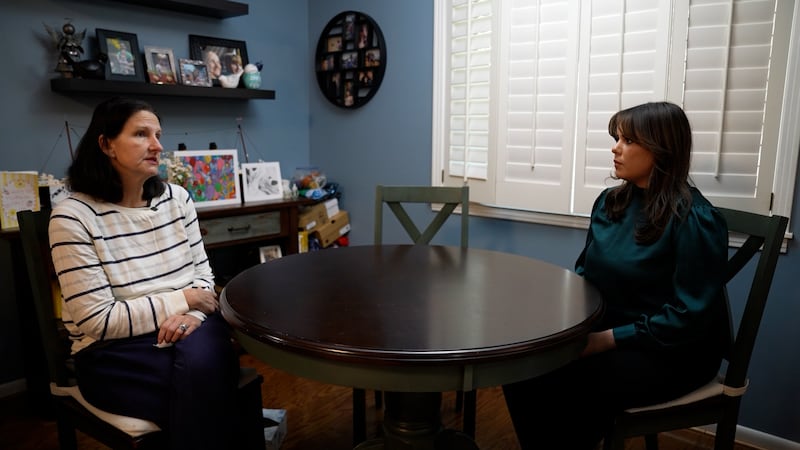
“What we have billed for is your assessed valuation,” said Sedgwick County Treasurer Brandi Baily, explaining the first step in the process that leads to the number printed on your statement.
The process, Baily describes, begins in the spring when the county appraiser issues valuations and homeowners can appeal those numbers. Once valuations and appeals are settled, the information moves to the county clerk’s office for calculations, then to the treasurer to be turned into bills.
“The clerk’s office then does all their calculations of the valuations, the mills levies, and gets everything together, and then it comes to me in October for me to then take all those numbers and produce it into the tax bill based on what the appraiser and the clerk has computed,” Baily said.
That sequence matters because two pieces determine the amount you pay: the assessed valuation of your property (the taxable value) and the mill levy (the tax rate). A drop in the mill levy can be outweighed by a larger increase in assessed value.
“In some cases that has reduced tax bills, but because the assessed valuations still continue to go up, even though the mill levy is reduced you’re probably gonna still see an increase in that tax bill,” Baily said.
County leaders say they’re hearing the complaints.
“The increase in property taxes over recent years really is straining a lot of people in our community,” Sedgwick County Commissioner Ryan Baty said.
He points out that Sedgwick County’s share is only a portion of the total bill — roughly 20% — and the rest comes from a patchwork of other taxing entities: cities, school districts, fire districts, townships, and special districts. That means a homeowner can see higher bills if one or more of those entities increases levies or does not reduce them in line with valuation growth.
“When you look at your bill you’re probably gonna have the city you live in that’s on that bill. You’re gonna have a school district in there that’s on that bill, you’re gonna have maybe the fire district, you might have a township that’s on your bill. So just depending on what those other entities have done,” Baily said.
Baty said the county has taken steps to limit the local increase.
“The county reduced over one mill of property tax this year. There was about 8% available in assessed value growth, the county only took about 4%,” Baty said, describing the county’s decision to not absorb the full growth in taxable value.
But that action affects only the county portion of the bill. For many homeowners, the combined effect of rising assessments across the tax base and steady or increased rates from other jurisdictions is what produces year-over-year increases.
What can you do if you believe your property tax bill is too high? You have options. You may appeal your assessed valuation during the appeals window in the spring. Once bills are issued, a formal protest process is available.
You must pay the first half of your bill, then you can fill out a payment under protest form at the tax office, which must be completed by December 22nd. If you have questions about your property tax bill you can reach the county at (316) 660-9000.
What to check on your bill:
Confirm the assessed valuation listed matches the value you accepted or appealed earlier in the year.
Review the breakdown to see which jurisdictions are charging you and how much each contributes.
Contact your city or school district if you see a large line-item increase originating outside the county portion.
Copyright 2025 KWCH. All rights reserved. To report a correction or typo, please email news@kwch.com