Why caregivers might feel relief, then guilt after a loved one dies
The Aging Untold experts say complicated emotions after a loved one’s death are normal and human
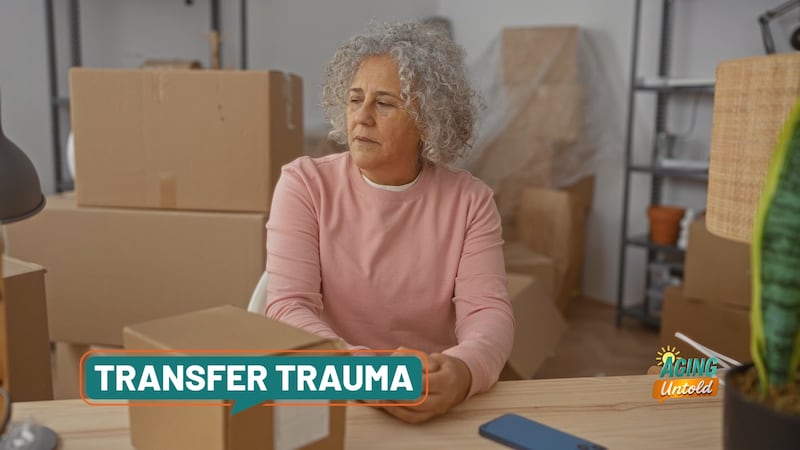
(Aging Untold) — The death of a loved one brings sadness and sometimes relief, and the feeling of relief can also trigger guilt.
If you’ve ever felt this conflicting mix of emotions, you’re not alone, the Aging Untold experts said. These are complicated but completely normal feelings that many caregivers experience after loss.
“It’s such a hard thing to say, but you know, you’ve been taking care of somebody that is dying and you’re tired. You’ve worked hard and you’re relieved that they’re gone. And then you immediately feel guilty for having that thought, even though it’s natural and normal,” Amy O’Rourke, an aging expert, said.
She said it’s easy to share when you’re feeling sad.
“I remember when my mother was dying and I was having a bad day. I was so tired and I finally said to a friend of mine, ‘I just wish she was gone.’ And my friend said, ‘Of course you do. That’s a normal feeling.’ I can’t tell you how much better I felt,” O’Rourke said.
Dr. Rhea Rogers, a board-certified physician, emphasized that relief isn’t just about caregiver exhaustion.
“I think sometimes the relief is that you’re tired of watching that person suffer,” she said.
Separate the relationship from the caregiving job
Sam Cradduck, a gerontologist, offered a framework for understanding these conflicting emotions.
“You have to separate the relationship from the job, the caregiving experience,” Cradduck said. “And so yes, I love you. Yes, I’m going to miss you. Yes, I don’t want to lose you, but now let’s lighten it up a little bit. How many of us are going to be a little excited at retirement. You know, there is some joy that comes when the job is done.”
Caregivers give up significant parts of their own lives, including travel time and family activities, especially those in the sandwich generation caring for both parents and children, she said.
“You can feel a relief that, I get to actually sleep in my own bed tonight. I get to be with my spouse. I get to be with my family again. And that shouldn’t come with guilt. That’s human. That’s human nature to want those things for yourself. And it’s not selfish,” Cradduck said.
Processing complicated thoughts takes time
Katherine Ambrose, an aging-well coach, noted that caregivers might surprise themselves with their own reactions.
“I think sometimes you might say something and you’re surprised you said it. And you’re like, ‘Oh my gosh, did I say that?’ But you’re processing the complicated thoughts that are in your mind and then getting clarity for yourself,” she said.
O’Rourke recommended finding a safe person to talk to about the full range of emotions.
Relief and grief can coexist
Rogers explained the physiological and emotional reasons behind the relief caregivers might feel.
She said the release is because of prolonged stress for a long time.
“And now you have a letdown of everything to allow you to be able to get grounded, get reset, but also it’s a delayed reaction in terms of grief,” Rogers said.
Cradduck described the process as needing to move through the end of the duties before fully processing the loss.
Cradduck shared her own caregiving journey, making 30 trips in two years to care for her terminally ill mother.
“Yes, after I lost her, there was that relief that next month when I didn’t have to jump on an airplane, there was that relief. But I then had that guilt feeling of, oh my gosh, you’re actually happy that you’re. No, I wasn’t happy that I lost my mom. I was happy that I could be in my life,” Cradduck said.
Bereavement support is available
Cradduck, an advocate for hospice care, emphasized that support is available for caregivers processing these emotions.
“Hospice, everybody should have hospice on board when they know that they’re going to lose their loved one. I’m an advocate for hospice, and they offer bereavement support for a year after. It is a paid for part of the benefit and you can tap into that,” Cradduck said. “If not, there are grief counseling groups. I’m a certified grief counselor. There are grief counseling groups out there. Find one and tap into it.”
Key takeaways
- Separate the relationship from the caregiving job
- Relief comes from watching suffering end
- Prolonged stress creates a natural release
- Bereavement support is available
Copyright 2026 Gray Media Group, Inc. All Rights Reserved.